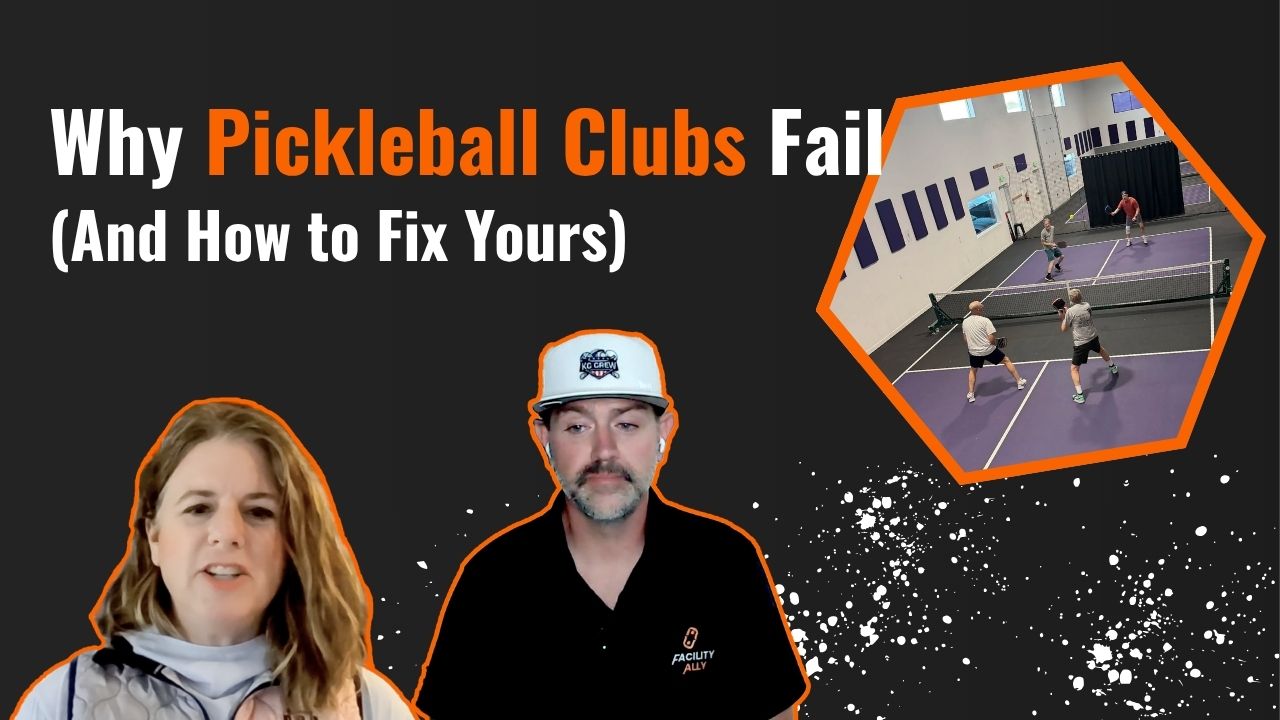
Why Pickleball Clubs Fail (And How to Fix Yours) with Courtney Jenkins
Welcome to the Facility Playbook! This week we sat down with Courtney Jenkins, co-founder and operator of Armory Pickleball in the Pacific Northwest, to talk about navigating the rapidly changing landscape of the sport. From taking over failing clubs to building a robust volunteer staff, this episode explores the nuances of planning and executing strategies that keep your doors open and your courts full. Discover the insights shared by a coaching veteran who specializes in removing chaos from the game, and gain a deeper understanding of what it takes to thrive in today’s market. For facility owners and people looking to open pickleball or padel facilities, this episode is packed with essential advice.
Navigating the Consolidation Phase
The pickleball gold rush is over, and the consolidation phase has begun. In this comprehensive blog, we’ll take you on a journey through the inner workings of operating multiple pickleball facilities, exploring the challenges faced when clubs fail, strategic decisions made to boost revenue, and the overall dynamics of managing a space that caters to a diverse community. Join us as we unpack the wisdom shared by Courtney Jenkins, shedding light on the intricacies of community building, programming, and facility management.
Covered in This Episode:
Why Pickleball Facilities Fail
Building a Work-Trade Staffing Model
Programming for the Masses (Not Just Elites)
Creative Revenue Streams
The Future of Youth and Padel
Highlights and Key Moments:
“The pickleball gold rush is over and the consolidation phase has begun.”
“I think having too much structure is one [source of failure]… coming in with ego.”
“Don’t try and increase your membership prices and pass that on to your bread and butter.”
“We need to continue to feed what I call the Ferris wheel of pickleball.”
“Pickleball is the gateway drug to padel.”
Why Pickleball Facilities Fail
For people looking to open pickleball or padel facilities, understanding why clubs fail is the first step to ensuring long-term success. Courtney Jenkins has taken over two failing facilities and notes that jumping into a lease based purely on gut feelings or generic internet revenue models is a major pitfall. Additionally, owners often approach the business with dollar signs in their eyes rather than a genuine, community-first mindset. Another source of chaos is coming in with too much ego or rigid structure, failing to meet the existing community where they are. Successful facility owners must be humble, eager to learn, and ready to adapt to the unique needs of their local players.
Building a Work-Trade Staffing Model
Staffing can make or break a facility, and Armory Pickleball found a highly effective solution by leveraging a work-trade volunteer program. With around 22 staff and volunteers running four locations, the facility identifies community members who organically emerge as leaders.
These volunteers commit to roughly six hours a week to help host, answer questions, or train new players on the ball machine.
In exchange, they receive a membership with the same benefits as staff and corporate sponsors, including advanced booking privileges.
This model helps bridge gaps in the community, provides excellent customer service, and protects the facility’s bottom line by reducing payroll costs.
Programming for the Masses
A common trap for pickleball facilities is catering too heavily to elite players, who can be picky about their games and often don’t take advantage of paid coaching or drilling sessions. Instead, the true bread and butter of a facility is the 3.0 to 3.5 recreational player who is hungry for weekly competition, coaching, and social connection. Courtney emphasizes the importance of a “Learn to Play” program (or “New Picklers”) to constantly feed the “Ferris wheel of pickleball”. By offering specific skill development sessions and pairing beginners with mentors, facilities can manufacture new, loyal players without adding chaos to the schedule. Furthermore, a hybrid model that includes open-to-the-public drop-in options is crucial, as strictly exclusive membership models can alienate the broader community and leave courts empty.
Creative Revenue Streams
When the bottom line looks scary, facility owners should not simply raise membership prices on their core community. Instead, the focus must shift to creative revenue streams like corporate events, birthday parties, and organic sponsorships.
Corporate events offer great profit margins, especially when facilities utilize targeted SEO to capture local searches for team-building activities.
Building a commission-based sponsorship team that drops off flyers at local businesses is a sustainable way to increase revenue while providing sponsors with a clear ROI.
Additionally, hosting specialized tournaments and bringing in professional coaching clinics can bring fresh foot traffic and excitement to the venue.
The Future: Youth, Consolidation, and Padel
Looking ahead, the survival and growth of racket sports hinge heavily on engaging youth and seniors. While the middle-aged demographic drives daily revenue, youth programs are essential for the long-term sustainability of the sport, a lesson learned from the decline of racquetball. As more clubs open and the market consolidates, facilities that offer a little bit of everything will be the ones that succeed. For those keeping an eye on industry trends, organizations like the International Association of Pickleball and Padel Facilities (IAPPF) and the US Indoor Sports Association are invaluable resources. While padel is an exciting emerging market, offering pickleball is a smart strategy, as it frequently acts as a gateway drug to padel.
Subscribe to the Facility Playbook Podcast
Thank you for joining us on this episode of Facility Playbook! We hope the knowledge shared serves as a valuable resource for facility owners and managers seeking to thrive in the ever-evolving sports industry. Stay tuned for our next episode, where we will continue to bring you expert tips to help you navigate the dynamic world of facility management. If you want to see how your operation measures up, take three minutes to get a personalized scorecard at FacilityAlly.com to see where you rank across the eight pillars of profitable facilities! Get an Email with New Episodes